A Cold Dive into React Native (Tutorial for Beginners)
原文:A Cold Dive into React Native (Tutorial for Beginners) 作者: JOHANNES STEIN - FREELANCE SOFTWARE ENGINEER @ TOPTAL
共 34 篇文章

原文:A Cold Dive into React Native (Tutorial for Beginners) 作者: JOHANNES STEIN - FREELANCE SOFTWARE ENGINEER @ TOPTAL

Computational photography is about enhancing the photographic process with computation. While we normally tend to think that this applies only to post-processing the end result (similar to photo editing), the possibilities are much richer since computation can be enabled at every step of the photographic process—starting with the scene illumination, continuing with the lens, and eventually even at the display of the captured image. This is important because it allows for doing much more and in different ways than what can be achieved with a normal camera. It is also important because the most prevalent type of camera nowadays—the mobile camera—is not particularly powerful compared to its larger sibling (the DSLR), yet it manages to do a good job by harnessing the computing power it has available on the device. We’ll take a look at two examples where computation can enhance photography—more precisely, we’ll see how simply taking more shots and using a bit of Python to combine them can create nice results in two situations where mobile camera hardware doesn’t really shine—low light and high dynamic range.
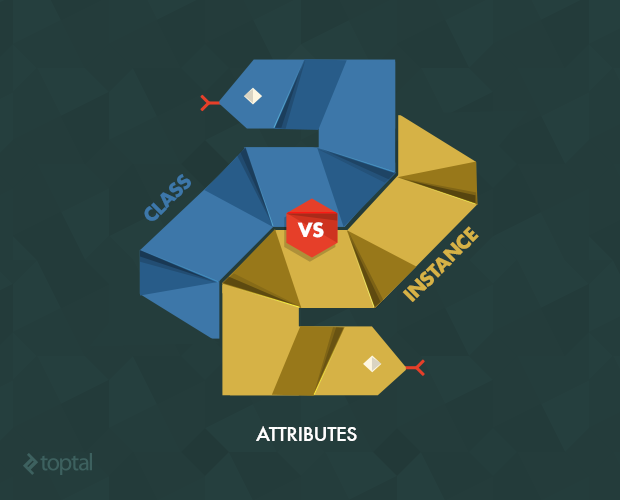
I had a programming interview recently, a phone-screen in which we used a collaborative text editor. I was asked to implement a certain API, and chose to do so in Python. Abstracting away the problem statement, let’s say I needed a class whose instances stored some data and some other_data. I took a deep breath and started typing. After a few lines, I had something like this:

I love building things—what developer doesn’t? I love thinking up solutions to interesting problems, writing implementations, and creating beautiful code. However, what I don’t like is operations. Operations is everything not involved in building great software—everything from setting up servers to getting your code shipped to production. This is interesting, because as a freelance Ruby on Rails developer, I frequently have to create new web applications and repeat the process of figuring out the DevOps side of things. Fortunately, after creating dozens of applications, I’ve finally settled on a perfect initial deployment pipeline. Unfortunately, not everyone’s got it figured out like I have—eventually, this knowledge led me to take the plunge and document my process. In this article, I’ll walk you through my perfect pipeline to use at the beginning of your project. With my pipeline, every push is tested, the master branch is deployed to staging with a fresh database dump from production, and versioned tags are deployed to production with back-ups and migrations happening automatically. Note, since it’s my pipeline, it’s also opinionated and suited to my needs; however, you can feel free to swap out anything you don’t like and replace it with whatever strikes your fancy. For my pipeline, we’ll use:

由于五一假期,迟了一些 原文:Best Programming Editors? A Never Ending Battle With No Clear Winner **作者: PHILLIP BRENNAN **

本周是一篇关于Ruby的文章,虽然没接触过,权当多样性的点缀了。
由于合作方希望能以英文形式发布,故以后top的译文看时间而定,没时间就不再尝试翻译(而且本来水平也不咋地),仅保留原文于此。本次是一篇关于声明式编程的讨论文章,具体如下:


本周的推荐来啦,一篇关于python的logging日志模块使用的文章。 原文:Python Logging: An In-Depth Tutorial 作者:SON NGUYEN KIM

本次推荐的是一篇关于通过以太坊了解区块链的教程,能力有限,本身没接触过,各位尽量看原文吧。